There is something truly magical about gathering around a fire with friends and family, roasting marshmallows, sharing stories, and soaking in that warm, flickering glow. But what if you could take that experience with you anywhere you go? That is exactly what a portable fire pit makes possible.
Whether you are headed to a campsite, setting up in your backyard, or tailgating before the big game, a portable fire pit can turn any outdoor space into a cozy gathering spot. The problem is, with so many options on the market, knowing which one is right for you can feel a little overwhelming, especially if you are shopping for the first time.
That is where this guide comes in. We have put together a simple, easy-to-follow list of the most important things to look for before you buy. From size and safety features to materials and portability, we will walk you through everything you need to know to make a confident, informed decision. Let’s find the perfect fire pit for your adventures.
Why Portable Fire Pits Have Become a Backyard and Basecamp Essential
The U.S. fire pits market was estimated at USD 1.9 billion in 2023, and those numbers tell a simple story: Americans love gathering around a fire. That appetite hasn’t slowed down. Outdoor living has quietly shifted from a weekend splurge into a genuine household budget priority, a transition that picked up real momentum post-2020 and continues shaping how people design and use their outdoor spaces today.
Part of what’s driving that growth is a change in how people think about flexibility. Smaller backyards, apartment patios, weekend camping trips, and tailgate setups all call for something different than a fixed stone fire ring. Compact and portable fire pit designs are innovating faster than ever to meet buyers where they actually are, not just where they park their car at home.
The smokeless fire pit segment is one of the fastest-moving corners of this market as of 2026, outpacing broader category growth with search interest surging over 80% in recent months alone. Cleaner-burning designs that reduce smoke and sparks are no longer a niche preference; they’re becoming the standard that buyers expect, especially in neighborhoods where smoke complaints are a real concern.
The good news is that you no longer have to choose between backyard ambiance and backcountry utility. The best portable fire pits today handle both with ease. This guide walks you through exactly what to look for so you can find the right fit for your specific situation.
Portability That Is Actually Practical
Not all portable fire pits are created equal, and the word “portable” on a product label doesn’t always mean much in the real world. True portability comes down to four measurable factors: total weight, breakdown dimensions, carry options, and setup time. If a fire pit falls short on even one of those, it can turn a simple outing into a frustrating experience before the first flame ever catches.
Weight is the first thing to evaluate, but context matters. A fire pit that stays on your patio can easily weigh 30 pounds or more without causing any problems. You set it down once and it lives there. But if you’re loading up a truck for a hunting camp, packing for a wall tent trip, or fitting gear into an ATV cargo box, that same weight becomes a real obstacle. For those use cases, aim for something closer to 20 pounds or under, and make sure it actually packs down into a manageable shape.
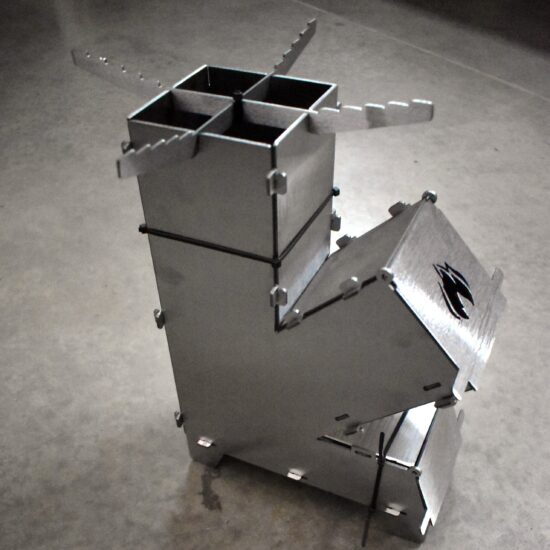
Breakdown dimensions are just as important as weight. A fire pit that claims to be portable but doesn’t collapse flat or nest compactly is just a smaller version of a stationary fire pit. Look for designs that fold down thin enough to slide into a truck cab or cargo box without eating up space you need for other gear. Current testing roundups from outdoor gear reviewers consistently flag this as one of the biggest gaps between marketing claims and real-world performance.
Setup time is an underrated factor. A fire pit that requires 20 minutes of assembly in the dark at a campsite defeats the purpose. Tool-free assembly isn’t a luxury; it’s a baseline expectation for any fire pit that genuinely belongs in the field. The same principle applies to teardown, especially when weather moves in or camp breaks early.
Finally, pay attention to whether a fire pit includes a carry bag, integrated handles, or a dedicated transport system. When a manufacturer builds a thoughtful carry solution into the product, it signals that real-world use was part of the design process from the start, not an afterthought added to the product listing.
Fuel Type: Wood vs. Gas for Your Use Case
Fuel type is one of the most practical decisions you will make when choosing a portable fire pit, and the answer really does depend on how and where you plan to use it.
Gas fire pits currently hold a 41.7% product-type market share in 2026, which tells you they are genuinely popular and well-suited for a lot of buyers. Push-button ignition, consistent flame height, and no ash cleanup make gas a smart choice for a backyard patio, a pool deck, or any fixed outdoor space where a propane refill is never more than a hardware store trip away. If your fire pit is staying in one place and convenience is your top priority, gas delivers on that promise reliably.
The picture changes the moment you leave the backyard. For hunters, backcountry campers, and outdoor enthusiasts heading into areas without reliable resupply points, propane introduces a logistical problem that simply does not exist with wood. Canisters add weight to your pack or truck load. They can run empty mid-burn with no local solution. Refill and disposal planning becomes part of every trip. When you are packing into a wall tent camp or setting up at a remote hunting site, that extra layer of planning matters.
Wood-burning portables eliminate that burden entirely. Fuel is available wherever dry timber exists. You are not hauling tanks across a ridgeline or rationing burn time based on what you packed in. That fuel flexibility is a genuine practical advantage, not a marketing point.
The honest answer is to match your fuel type to your primary setting. If you split time between a manicured patio and a remote camp, a wood-burning portable covers both situations without compromise. A gas unit does not.
Our Revolve Smokeless Fire Pits burn wood, which means they work wherever you can find firewood. That is exactly why we build them for hunters, campers, and outdoor enthusiasts who need a fire pit that travels as far as they do. If you want more context on how to compare your options, resources like this breakdown of gas vs. wood fire pits can help frame the decision before you buy.
Smokeless vs. Standard Designs: What the Difference Actually Means
If you have ever sat around a standard fire pit and spent the whole evening leaning away from smoke, you already understand the core problem. Standard fire pit designs work through simple passive combustion. Air enters from the bottom, feeds the fire with whatever oxygen happens to reach it naturally, and the result is an inconsistent burn that produces heavy smoke, especially during startup or when your wood is not perfectly seasoned. The smoke follows you wherever you move, and everyone around the fire knows exactly how that evening ends.
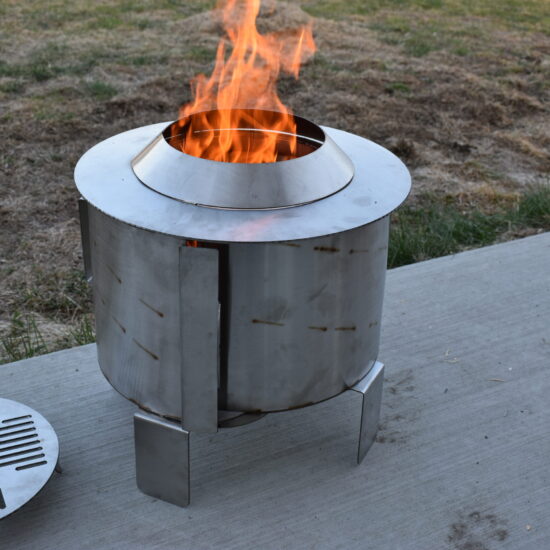
Smokeless fire pits solve this at the engineering level. They use a double-wall construction that draws cool air into the gap between an inner and outer wall. As that air travels upward through the walls, it heats up. By the time it reaches the top of the fire chamber, it gets injected back into the burn through secondary holes as preheated air. That second injection of hot, oxygen-rich air ignites the unburned gas molecules before they can escape as smoke. This process is called secondary combustion, and it is the feature that separates a genuine smokeless design from a basic fire pit with a few extra ventilation holes.
The practical benefits are real and immediate. Less smoke means no stinging eyes, no coughing mid-conversation, no neighbors calling over the fence, and no jacket that smells like a campfire three days later. It is simply a more comfortable experience for everyone gathered around the fire.
From a regulatory standpoint, lower-emission designs may also be a smarter choice in areas with seasonal air quality burn restrictions. No fire pit is universally exempt from local burn rules, so if you live in a region with active burn regulations, check your local air quality management district guidelines before purchasing. That said, a cleaner-burning design is a meaningful consideration when those restrictions are in play.
The market numbers reflect what buyers have discovered firsthand. The smokeless fire pit segment is the fastest-growing category within the broader fire pit market as of 2026, with Lucintel projecting 6.2% annual growth through 2030. Buyers have tried both options and are actively choosing the cleaner burn.
Flame Innovation’s Revolve Smokeless Fire Pits are built around this same double-wall secondary combustion design, offering the cleaner, more comfortable outdoor experience that a growing number of backyard and basecamp enthusiasts are actively seeking out.
Build Quality and Materials: What Separates a Fire Pit That Lasts
A portable fire pit that warps after one summer or rusts through by the second season was never actually a bargain, no matter what you paid for it. The purchase price is only part of the real cost. Material quality and weld construction are the factors that decide how a fire pit holds up through repeated high-heat use, transport, and exposure to outdoor conditions season after season.
Start with the steel. Look for heavy-gauge steel construction. Thin-gauge materials can look identical in product photos, but they flex, warp, and corrode faster once exposed to sustained combustion temperatures. The difference becomes obvious after the first few fires, not before.
Pay attention to the joints and welds. Welds, leg connections, and hardware are the places where a fire pit fails first. A well-built fire pit will have clean, solid welds that hold their integrity through repeated heat cycles. Portable fire pits face extra stress here because they are assembled, transported, and set up on uneven ground repeatedly, which compounds the wear that heat alone already creates.
Consider where and how the product is made. American-made manufacturing matters in this category for a straightforward reason: domestic producers can see their material sourcing and quality control directly. That visibility is harder to maintain with overseas production.
At Flame Innovation, our Revolve Smokeless Fire Pits are designed and built in Post Falls, Idaho. We control the materials, the build process, and the standards from start to finish. We build for real outdoor use, not just a clean showroom appearance.
Finally, check whether the manufacturer stands behind the product with a warranty and offers replacement parts. A company that is confident in its construction will back it up.
Burn Restrictions and Outdoor Regulations: Know Before You Light
Before you buy any portable fire pit, take a hard look at the regulations where you plan to use it. Burn restrictions are more widespread than most people expect, and they are not limited to dry western states. Counties in Colorado, New Jersey, Maryland, and South Dakota all publish specific rules governing recreational fires and portable fire pits. When fire danger levels rise or air quality drops, those restrictions can tighten quickly, sometimes overnight.
The distinctions between rule categories matter. Some jurisdictions ban open fires entirely during red flag conditions but continue to allow contained appliances. Others draw a clear line between solid-fuel fire pits and gas-fueled ones. Colorado Springs Burn Ban Order 2026-B1, for example, prohibits wood-burning fire pits outright while still permitting propane appliances with proper clearance. The Cimarron Hills Fire Department notes that portable fire pits generally require 15 feet of clearance from combustible structures, and property owners are responsible for confirming compliance across multiple agencies, including HOAs.
Checking your local fire department website, county page, or state forestry agency before your first burn is a simple step that can save you from fines reaching $2,500 or more in some jurisdictions.
Smokeless and lower-emission fire pit designs tend to produce less particulate output, which can be a practical advantage in regulated areas. That said, never assume a smokeless design automatically exempts you from local rules. Always verify with your local authority directly.
If you plan to use a portable fire pit on public land, additional layers of federal restrictions apply. The U.S. Forest Service and Bureau of Land Management operate tiered fire restriction systems that vary by season and current fire danger level. Check the specific land management unit before heading out. Understanding the regulatory picture where you actually plan to burn belongs in your purchase decision, not in the back of your mind after you have already loaded the truck. The Poudre Fire Authority and similar local agencies often post real-time restriction updates that take just minutes to review.
Multi-Use Functionality: Heating, Cooking, and Ambiance in One Package
Multi-use functionality has shifted from a bonus feature to a baseline expectation. Across the fire pit market, consumers are increasingly choosing products that justify their price tag by serving multiple roles. Heating, cooking, and creating a genuine gathering atmosphere in one portable unit is no longer a niche preference. It is what a growing segment of buyers now shop for first.
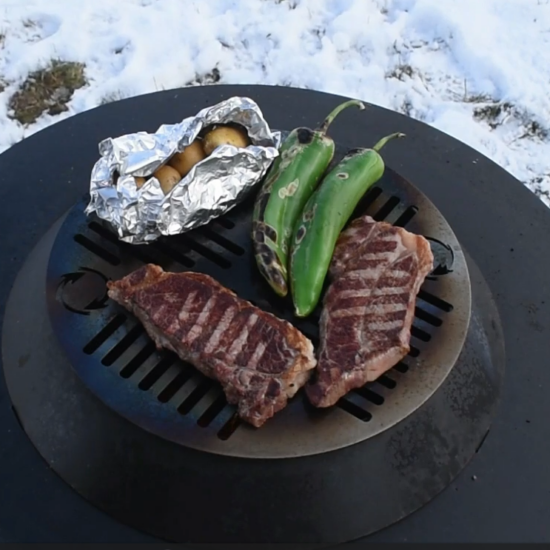
For backyard households managing outdoor living budgets carefully, a portable fire pit that also functions as a cooking surface earns its place across all four seasons. Instead of buying separate gear for warmth, meals, and atmosphere, one well-designed unit handles all three. That kind of versatility makes the purchase easier to justify and harder to outgrow.
For hunters and campers, multi-functionality is a practical necessity. A fire pit that can boil water in the morning, cook a meal at the end of a long day, and take the edge off a cold night at camp means fewer items in your pack and less weight on the trail. That is a real-world advantage, not a marketing talking point.
When you are shopping for cooking capability, look closely at the design details. Grate compatibility matters, as does a stable base geometry that actually supports cookware without tipping. You also want enough heat control to cook food properly rather than just burning the outside of everything that touches the grate.
Ambiance is not an afterthought either. The visual quality of an open fire, the sound of burning wood, and the way a fire pit draws people together are core reasons people buy them in the first place. Excessive smoke undermines all of that, pushing people back instead of pulling them in.
Our Revolve Smokeless Fire Pits are built specifically for backyard gatherings, patios, camping, and outdoor events. The cleaner-burning design lets you get more out of the fire experience, more warmth, more conversation, and more time actually enjoying it.
Finding the Right Portable Fire Pit for How You Actually Use It
At this point in your research, you have already worked through the factors that matter most: actual portability specs, the right fuel type for your setting, smokeless technology benefits, build quality and materials, local burn regulations, and multi-use functionality. The goal was never to overwhelm you with options. It was to help you cut through the marketing noise and focus on what actually fits the way you use a fire pit.
The right portable fire pit is not the one with the longest feature list or the biggest brand name. It is the one that matches your specific situation, whether that is a backyard patio, a campsite, a tailgate, or a weekend cabin. Every choice you make on fuel type, weight, materials, and design should connect back to that real-world context.
If you are a buyer who wants genuine wood-burning fuel flexibility, a clean and smoke-reduced burn, and a fire pit built to hold up in real outdoor conditions, the Revolve Smokeless Fire Pit from Flame Innovation is worth a close look. It is purpose-built for backyard use and outdoor gatherings, designed and built in Post Falls, Idaho, with durable construction and a clean burn as priorities, not afterthoughts.
Visit flameinnovation.com to review the Revolve product details or use the dealer and retailer locator to find a location near you. And if you have questions before you buy, reach out. We are happy to help you find the right fit.
Conclusion
Finding the right portable fire pit does not have to be complicated. By focusing on the right size for your needs, choosing durable and weather-resistant materials, prioritizing essential safety features, and confirming that the design is genuinely easy to transport, you can confidently narrow down your options and find a fire pit that fits your lifestyle perfectly.
The best fire pit is the one that goes where you go and brings people together wherever you land. Whether you are chasing sunsets at a campsite or hosting friends in your backyard, the right choice is out there waiting for you.
Now it is time to take action. Use this guide as your checklist, compare your top picks, and invest in a fire pit that will create warm memories for years to come. Your next great gathering starts with a single flame.