Tiny Home Wood Stoves Made Simple: Size, Safety, and Efficiency Explained
Forget everything you know about tiny home wood stoves. Picking the right stove means more than size—it’s about safety, burn time, and fitting your unique space. This guide breaks down key details like BTU sizing, UL-listed safety, venting, and fuel options so you can choose a stove that truly works for your tiny house. Stick with us to find the perfect Flame Innovation model for warm, reliable heat—no guesswork needed. Check out more on how to choose the right wood stove for your tiny home or cabin.
Choosing The Right Size
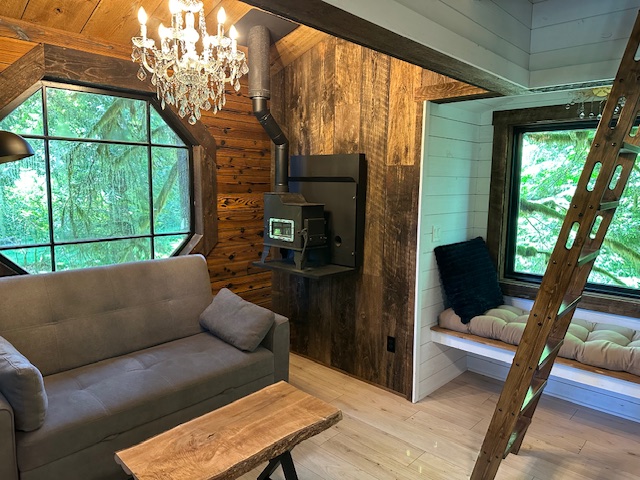
Getting the right size stove for your tiny home is crucial. You want warmth without wasting space or energy. Here’s how to find the perfect fit for your small space.
Calculating Square Footage Needs
First, measure your area. Knowing your square footage is key. A compact wood stove should heat your entire space without overheating. For example, a 200 to 600 sq ft range is ideal for most tiny homes. Use a tape measure to get accurate dimensions. Record length and width, then multiply them. This gives you the square footage. For instance, a 10 by 20 ft space equals 200 sq ft.
Consider your climate and insulation too. Colder areas or poorly insulated homes need more heat. Check online forums like Reddit for tiny home owners who have faced similar challenges. They often share practical tips and real-life examples that could apply to your situation.
BTU Sizing for Tiny Homes
Next, look at BTUs. This measures heat output. For tiny homes, aim for a stove with a BTU range of 3,000 to 10,000. This ensures efficient, comfortable warmth. Not sure how many BTUs you need? Use a simple formula: Multiply your square footage by 20. A 300 sq ft home needs about 6,000 BTUs.
BTU sizing depends on several factors: climate, insulation, and personal comfort level. Some people prefer a warmer home, while others like it cooler. Look for a stove with adjustable BTU settings. This allows you to tweak the heat output as needed, providing flexibility and control.
Ensuring Stove Safety
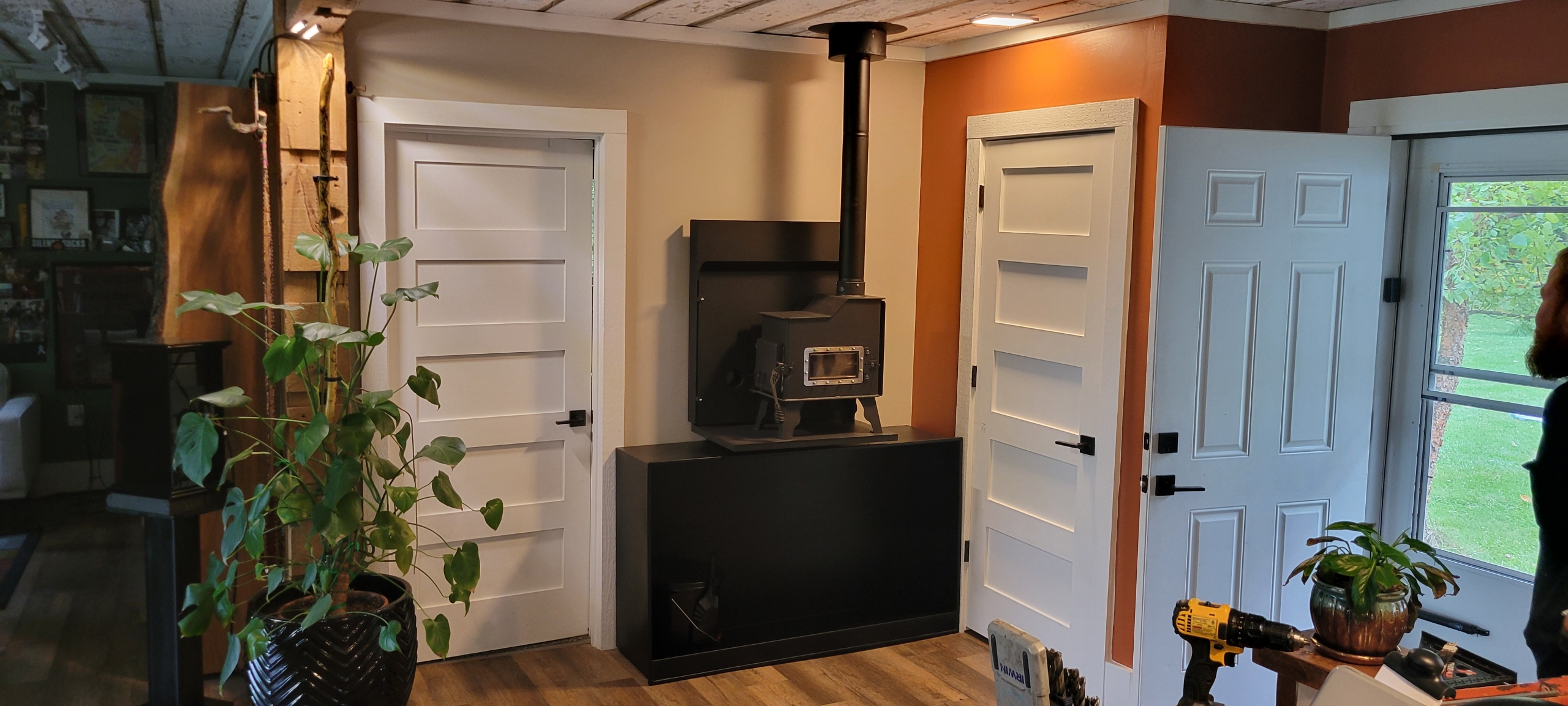
Safety is a top priority when selecting a stove. You want to enjoy the warmth without worry. Here are some key safety considerations for your tiny house stove.
UL Listed Tiny Stove Standards
Always choose a UL-listed stove. This certification ensures the stove meets strict safety standards. UL-listed stoves undergo rigorous testing to confirm they operate safely. This reduces risks like fires or carbon monoxide leaks. When shopping, look for the UL label on the product description. This label is your assurance of safety.
UL-listed stoves are designed with features like heat shields and proper venting options. These elements help prevent overheating and improve overall safety. They also ensure that the stove is manufactured with quality materials that withstand high temperatures without degrading.
Safe Tiny House Stove Installation
Proper installation is essential for safety. Incorrect installation can lead to hazards. Begin by following the manufacturer’s guidelines. These instructions provide specific details tailored to your stove model. Secure the stove on a non-combustible surface. Place it away from walls and furniture to maintain safe clearances.
Consider professional installation if you’re unsure. Experts can ensure the venting is correctly set up. Improper venting can cause smoke or gases to back up into your home, creating a dangerous environment. Regularly check seals and gaskets for damage. Replace them if they show signs of wear. Join discussions on safe stove installation to learn from others’ experiences.
Maximizing Stove Efficiency
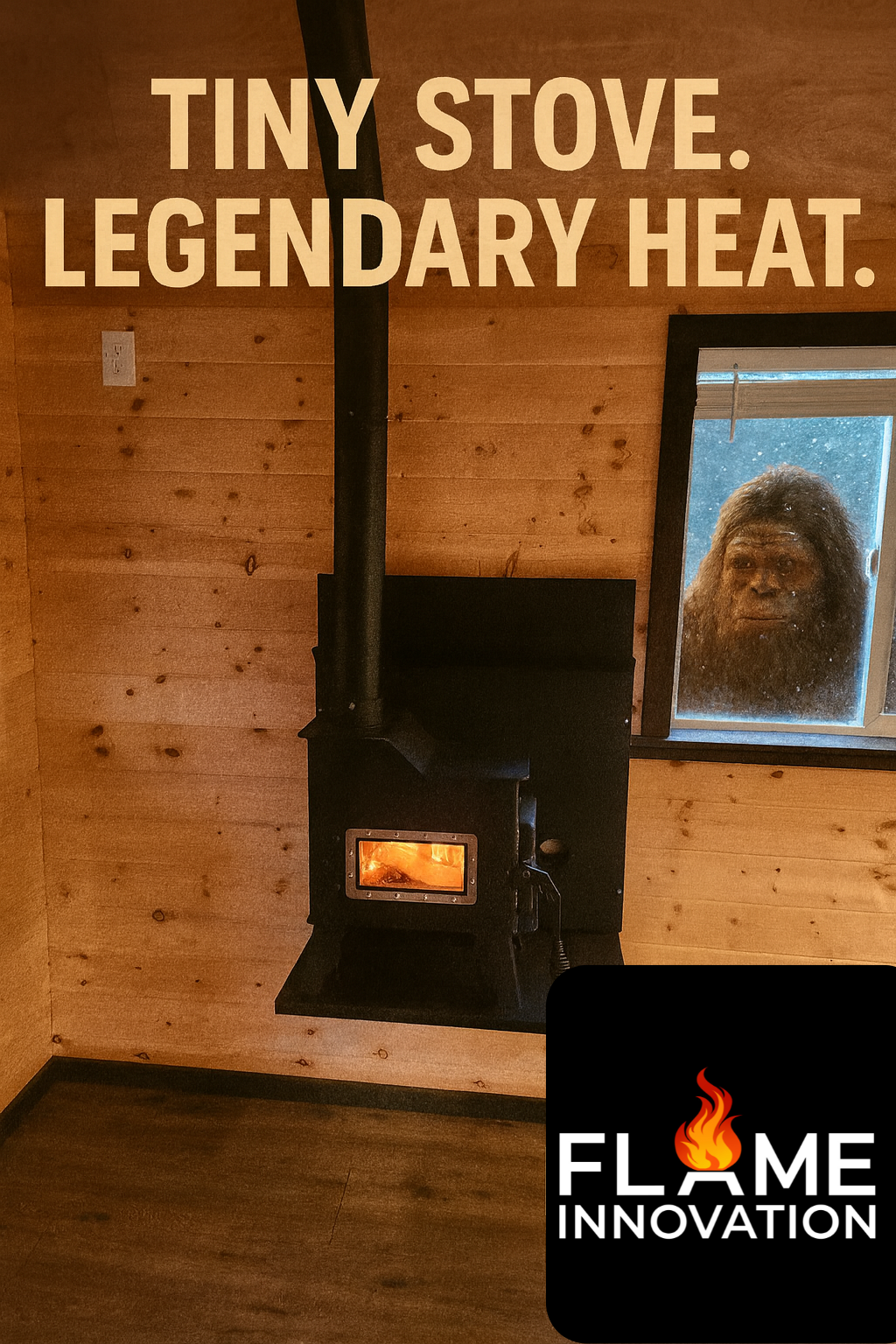
Efficiency is about more than just saving fuel. It’s about getting the most heat from every log or pellet. Here’s how to make your stove work best for you.
Tiny House Venting Kit Options
Venting is crucial for efficiency. Proper venting improves combustion and minimizes waste. Choose a venting kit designed for tiny homes. These kits are compact, making them ideal for small spaces. They often include insulated pipes and adapters to fit various setups.
Install the venting system correctly to ensure optimal airflow. This prevents smoke buildup and improves heat distribution. Check the vent pipe regularly for blockages or damage. Clean it to keep the air flowing smoothly.
Fuel Types for Small Stoves
Different fuels offer different benefits. Wood, pellets, and other materials each have pros and cons. Wood provides a traditional, cozy feel. It’s readily available and cost-effective. Pellets offer convenience. They provide consistent, controlled heat without frequent refueling.
Consider your lifestyle and preferences. If you want a low-maintenance option, a non-electric pellet stove might suit your needs. It requires less attention and provides steady warmth. If you enjoy the process of chopping and seasoning wood, a wood stove could be a satisfying choice.
By understanding these aspects—size, safety, and efficiency—you can confidently choose the right stove for your tiny home. Whether opting for a classic wood stove or a modern pellet design, you’ll enjoy warmth and comfort in your compact space.