How to Maintain Your Wood Stove for Peak Efficiency During Harsh Winters
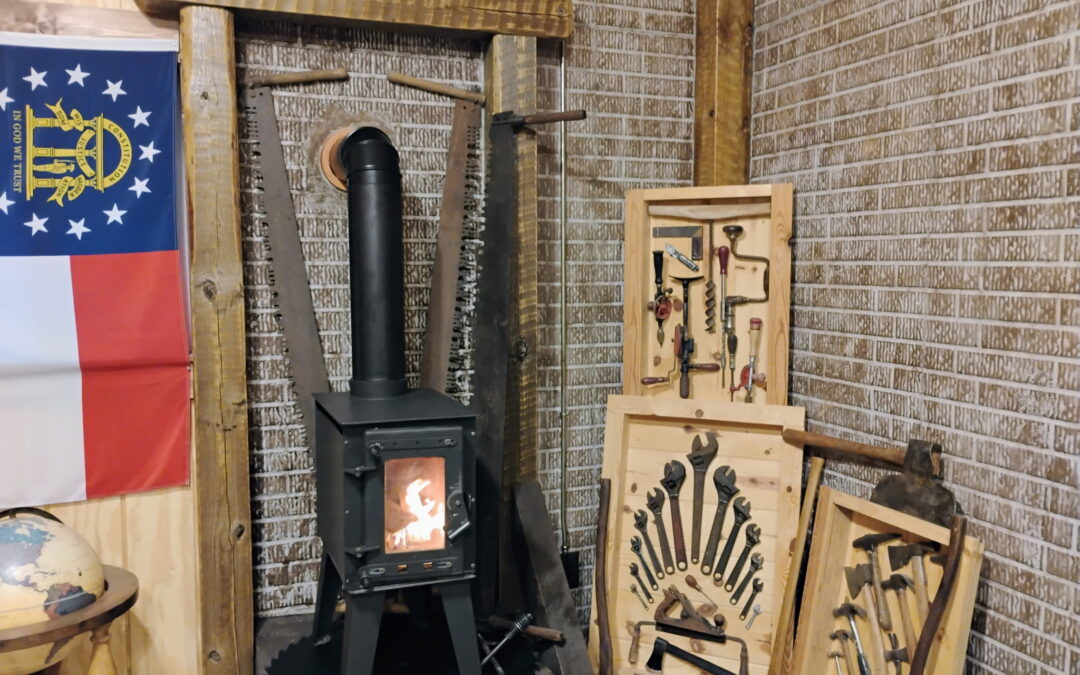
Winter chills hit harder when your wood stove isn’t running at its best. For those living in tiny homes or off-grid cabins, wood stove maintenance isn’t just a chore—it’s the key to staying warm and safe during harsh winters. In this post, you’ll learn simple steps to keep your Flame Innovation stove delivering reliable heat all season long. Ready to make your tiny home heating worry-free? Let’s get started. Learn more here.
Essential Wood Stove Maintenance
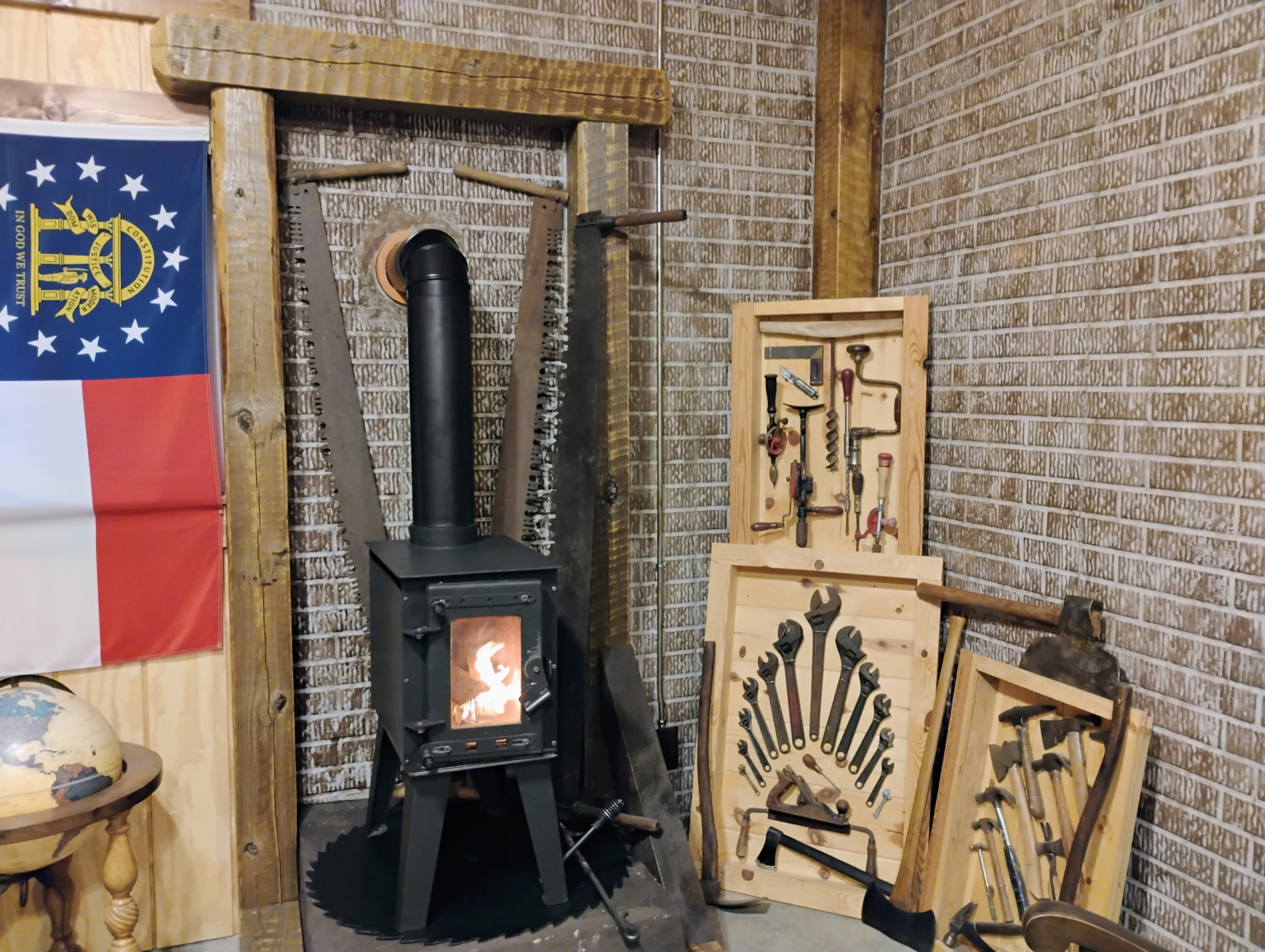
Keeping your wood stove in top shape ensures it provides the legendary heat you’re counting on. Let’s look into cleaning and part inspections to maintain peak efficiency.
Cleaning for Peak Performance
Cleaning your wood stove might feel like a task, but it’s essential for maintaining its performance. Start by removing ash buildup. Did you know that ash can insulate the heat and reduce your stove’s output? Aim to clear out ash once a week, but leave a thin layer to aid combustion.
Next, address the chimney. Creosote buildup can be dangerous, leading to chimney fires. Check it monthly during peak use. If creosote is more than 1/8 inch thick, clean it out. Some folks prefer doing this themselves, but hiring a professional ensures thoroughness. Explore efficient cleaning techniques here.
Inspecting and Replacing Parts
Your stove parts bear the brunt of daily use. Regularly inspect the door seals. A cracked seal lets heat escape, forcing you to burn more wood. Replace them if they’re worn out. Also, check the glass for cracks. A damaged glass can affect heat radiation and safety.
Look at the fire bricks inside. These maintain high temperatures and protect the stove. If they’re cracked or crumbling, replace them. Keep in mind, a well-maintained stove lasts longer and keeps your home cozy. Learn more about part replacement and maintenance.
Preparing for Harsh Winters
As winter approaches, preparation is key to staying warm. Stocking up on the right firewood and checking your stove’s ventilation are crucial steps.
Stocking Quality Firewood
The type of wood you use impacts your stove’s performance. Opt for hardwoods like oak or maple. They burn longer and hotter. Make sure your wood is seasoned, meaning it’s been dried for at least six months. Fresh wood wastes energy as it burns off excess moisture.
Store your wood in a dry, sheltered area. A simple rack with a cover can work wonders. Remember, the longer you wait to prepare, the harder it becomes to find quality wood. Discover more about choosing the right firewood.
Checking Ventilation and Seals
Proper airflow keeps your stove burning efficiently. Check that vents are clear and unblocked. This ensures a steady flow of oxygen, crucial for combustion. Examine the seals around your stove. If air leaks, it can cool the fire, reducing heat output.
Test your seals by placing a piece of paper between the door and the stove. If you can pull it out easily with the door closed, the seal needs replacing. Ensuring your ventilation and seals are in good shape keeps your home warm and safe.
Tips for Tiny Home Heating
Heating a tiny home presents unique challenges. But with a few energy-saving techniques and safe solutions, you can stay warm without breaking a sweat.
Energy-Saving Techniques
Tiny homes require strategic heating solutions. Consider adding a heat reflector behind your stove. This simple addition can increase heat radiation into your space, maximizing your stove’s efficiency.
Think about using thermal curtains to trap heat. They prevent heat loss through windows, keeping your tiny home warmer. Most people assume small homes heat quickly, but efficient techniques make a huge difference. Explore more energy-saving tips here.
Safe Off-Grid Heating Solutions
Safety in your tiny home is paramount. Install smoke and carbon monoxide detectors near your stove to prevent accidents. Ensure there’s proper ventilation to avoid smoke buildup. A small fan can help circulate air, maintaining fresh air while keeping heat in.
Consider a non-electric pellet stove option for consistent heat without power. This ensures you have warmth even during power outages. Embrace the independence of off-grid living with reliable heating solutions that keep you safe and cozy. Discover safe heating practices here.
By following these steps, you’re not just maintaining a stove; you’re ensuring a warm, comfortable winter in your tiny home.