
Choosing a stove for a small space starts with the building, the fuel and the installation. Flame Innovation makes compact wood stoves and a non-electric pellet stove in Post Falls, Idaho. Each model has its own heating range, dimensions and installation requirements. Start with the Caboose Tiny Wood Stove for compact cordwood heating, then compare the alternatives below.
Compact Heating Solutions for Small Spaces
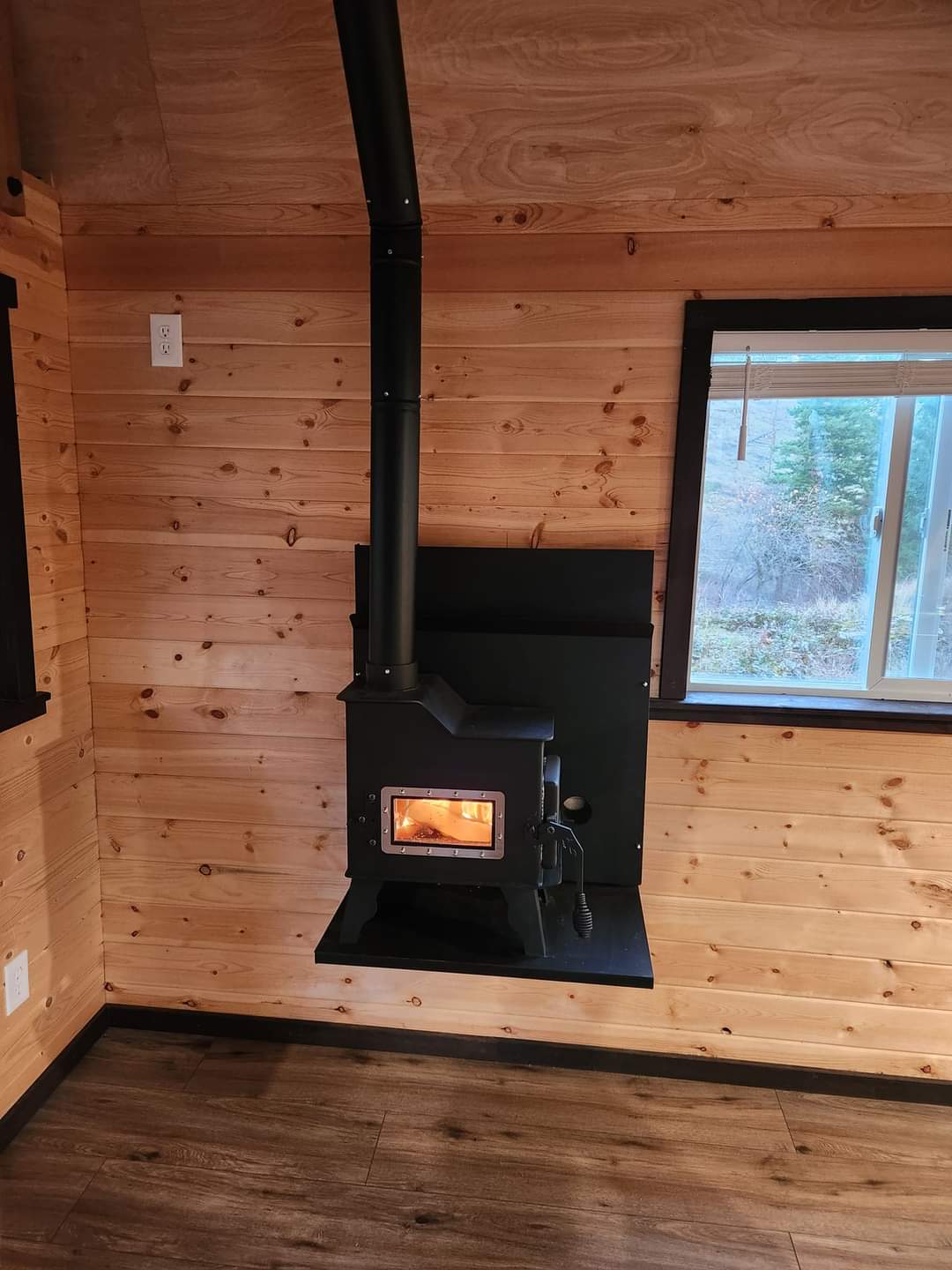
A stove’s advertised heating area is a starting point. Insulation, ceiling height, climate, air leakage and chimney draft all affect the result. Measure the space required for the complete installation, including clearances and floor protection.
Planning Wood Heat in an RV
An RV or converted bus needs an installation assessment before a stove is purchased. A compact body or a residential safety listing does not establish suitability for every vehicle. Confirm the exact model, mounting method, chimney route and installation requirements with Flame Innovation, your installer and your insurer.
The Caboose offers wall-mounted and freestanding configurations and a published heating range of approximately 200–600 square feet. That range is not a guarantee that it will fit or heat any RV. Contact us about your proposed installation before ordering.
Choosing a Wood Stove for a Cabin
For a small cabin, compare the Caboose with the Steelhead Small Wood Stove. The Steelhead’s published heating range is approximately 800–1,200 square feet. Actual coverage depends on the cabin and operating conditions.
The Caboose typically provides four-to-six-hour softwood burns under suitable conditions; the Steelhead can provide burns of up to eight hours. Fuel, loading, draft and the selected air setting affect both. These figures do not promise uninterrupted overnight heat in every cabin.
Wood or Pellets for a Tiny Home?
Compare the total installation footprint and available fuel supply. Stove dimensions differ by model; no single depth applies to the whole range. Check the product specifications and the current manual before deciding where the stove will sit.
The Mini Me Non-Electric Pellet Stove offers gravity-fed pellet heating for approximately 200–1,000 square feet under suitable conditions. This current pellet model uses the specified wood pellets, not cordwood. Its required venting also differs from ordinary pellet vent, so use the model’s installation instructions.
Craftsmanship and American Quality
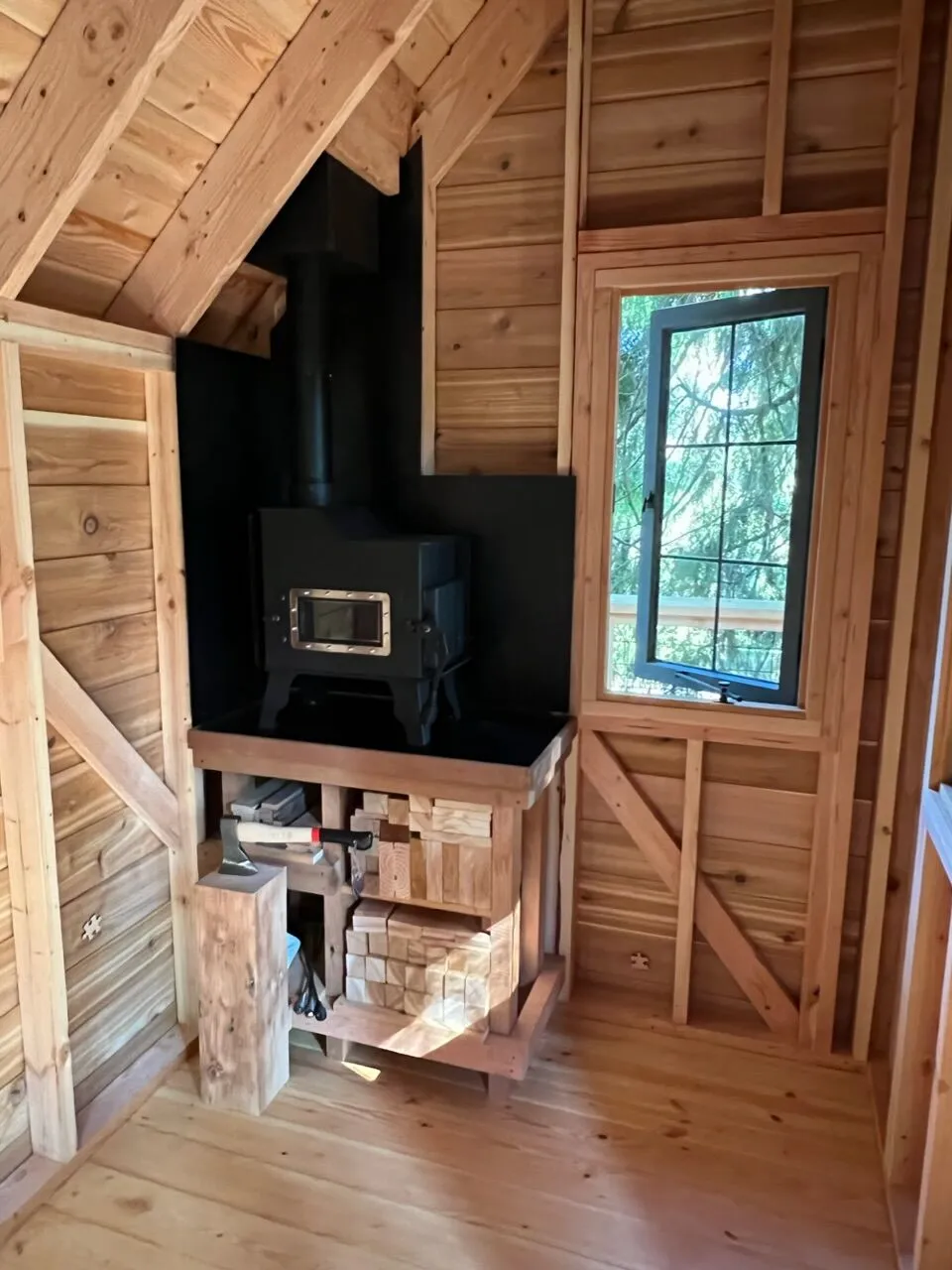
Our stoves stand out not just for their functionality but also for their meticulous craftsmanship. Made in Idaho, these stoves reflect a commitment to quality that warms your heart and home.
Handcrafted Stoves from Idaho
Each stove is a testament to skilled craftsmanship. Built by certified welders, these stoves combine durability with a touch of artistry.
-
Attention to Detail: From straight welds to tight seams, every component speaks to the high standards of construction.
-
American Pride: Built in Post Falls, Idaho, these stoves uphold the values of quality and durability.
Customers trust our stoves because they’re built with care and precision. They aren’t just heating solutions—they’re pieces of art.
Non-Electric Heating for Off-Grid Spaces
The Caboose and Steelhead burn cordwood, while the current Mini Me feeds wood pellets by gravity. These stoves can produce heat without electrically powered combustion controls. They still require suitable fuel, adequate chimney draft, regular maintenance and a compliant installation.
Choose a model for your expected winter heating demand. Non-electric operation does not make a stove suitable for every setting or remove the need to plan for changing weather and fuel availability.
Check the Exact Model’s Certifications and Instructions
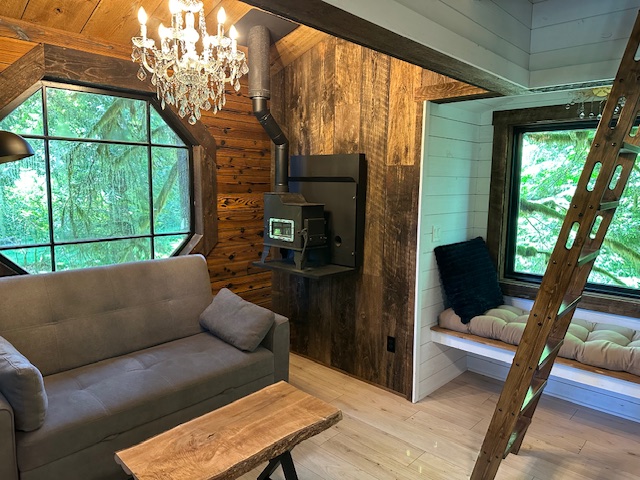
Safety listings and emissions certification answer different questions. The Caboose and Steelhead product pages describe their UL safety certification. Within this stove range, the current Mini Me pellet stove and the Chinook are EPA-certified models; do not apply that claim to every Flame Innovation stove.
You can check emissions certification through the EPA Certified Wood Heater Database. Match the model and manufacturer record, then review the separate installation requirements for your location.
Use only the fuel specified for your stove and follow its operating and maintenance instructions. For model-specific clearances, chimney requirements and floor protection, visit our installation guides and manuals. A properly selected stove gives you a practical heating option without relying on broad promises about burn time, fit or environmental impact.